YOU CAN'T PRESENT 1-1 TO EVERYONE
1-1 Presentations at Scale with AI.
Add your raw sources, say what matters, and invite your audience list. MyLens AI gives every person a live, one-on-one presentation, answers what they ask, and tells you how each one went.
A new alternative to the deck and the meeting
How it Works?
Share your sources once. MyLens AI turns them into a visual presentation and presents it to each person on their own. When someone asks a question, it does more than answer. It can create a new slide or layer right then, grounded in your sources and knowledge.
Built from your raw sources.
Drop in docs, notes and recordings. MyLens AI turns them into a clear, visual presentation.
Presented live, 1-1 to each person.
Everyone opens a private link, and MyLens presents it to them whenever they are ready.
Each person asks when they're curious.
People stop and ask anything, in their own words, right on the slide. MyLens answers from your sources, and creates a new visual or layer when words are not enough.
 MyLens
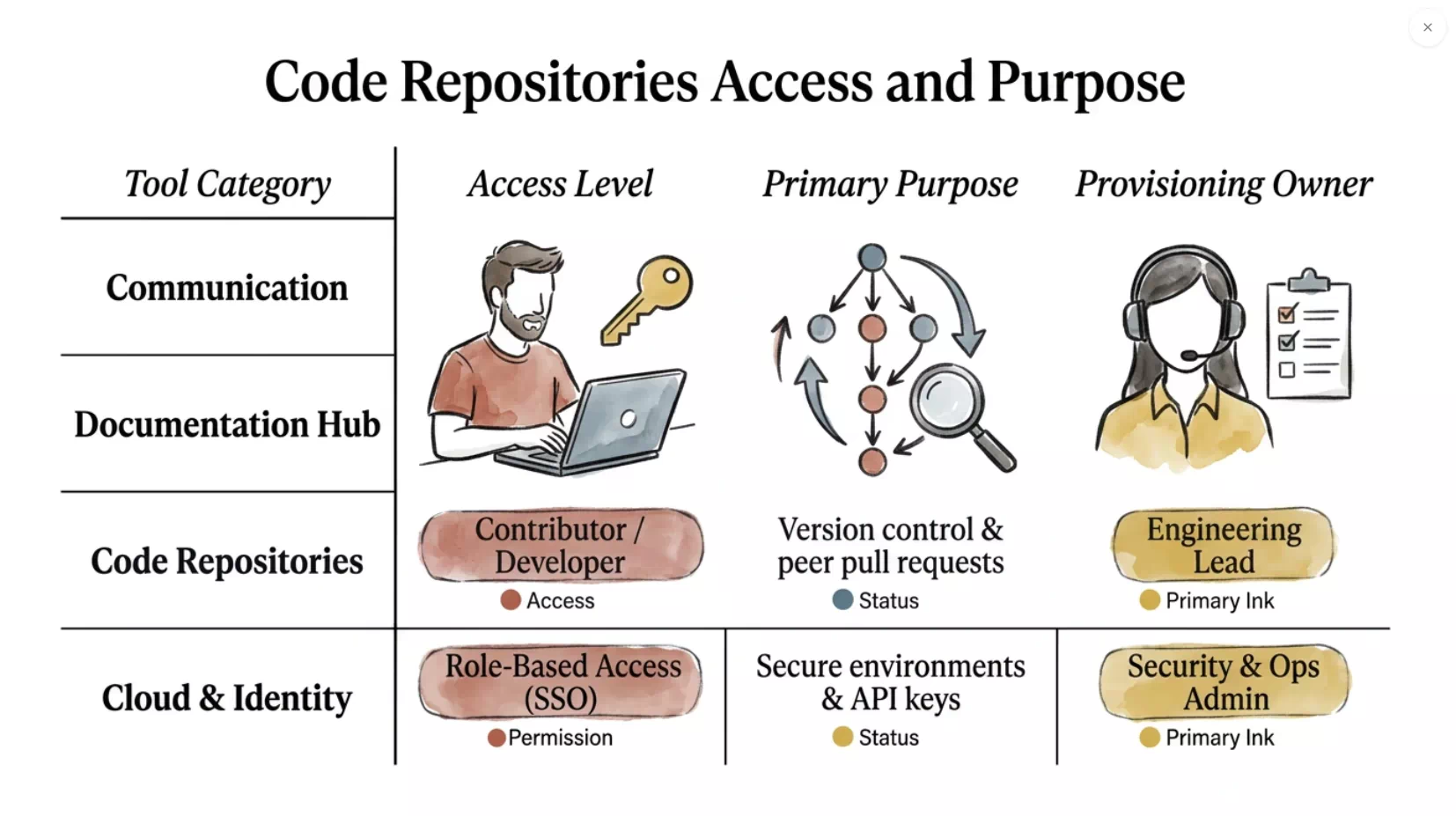
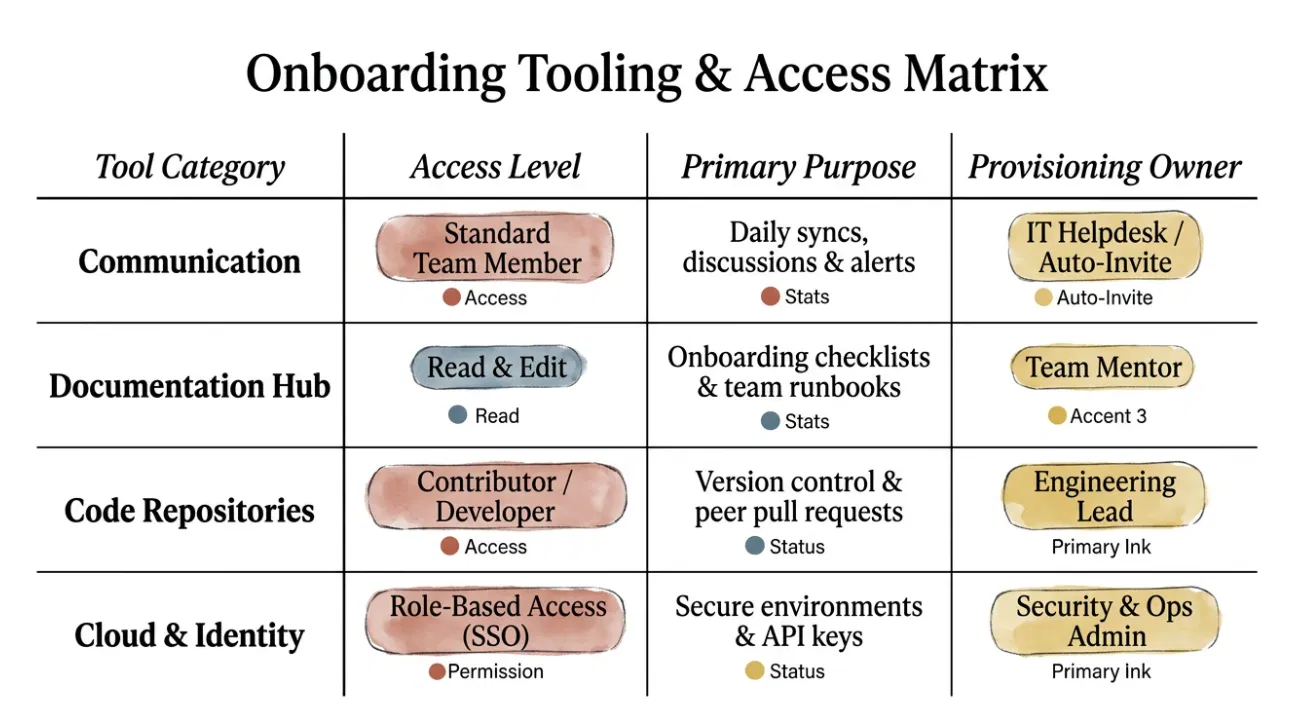
Here's what contributor access includes…
You see how each one went.
Review each audience session individually. Time spent, questions asked, and who needs a follow-up, for every person.
WITH MYLENS · 1,000 PEOPLE, ONE DOT EACH
Presented 0Opened 0Invited 0
Your AI presenter gives every person a private session at the same time, explaining each visual, answering questions live, and building new layers of understanding as needed in real time.
No deck needed. Start with what you have.
Skip the slides. Bring the raw material: docs, recordings, links, notes. MyLens AI turns it into a visual presentation and adapts it to each person, one on one.
SEE IT COME TOGETHER
Set it up once. Your AI Presenter will do the rest.
A demonstration of MyLens: you add sources and knowledge, AI creates slides, you choose AI permissions, invite an audience, go live, and see private session results.
THE MATH
No one has time to present 1-1 to everyone.
The best way to share something important is one-on-one: tailored slides, a live walkthrough, and answers to each person's questions. But that takes hours per person, and it's impossible to scale by hand.
PRESENTING IT YOURSELF
24 people × 30 min
12 hours
WITH MYLENS
Every person gets their own private personal presentation.
WHO IT’S FOR
Built for anyone who explains the same thing to many people.
Sales
Give every prospect a personal walkthrough of your offer.
Customer success
Explain renewals and updates to each account, one by one.
People and HR
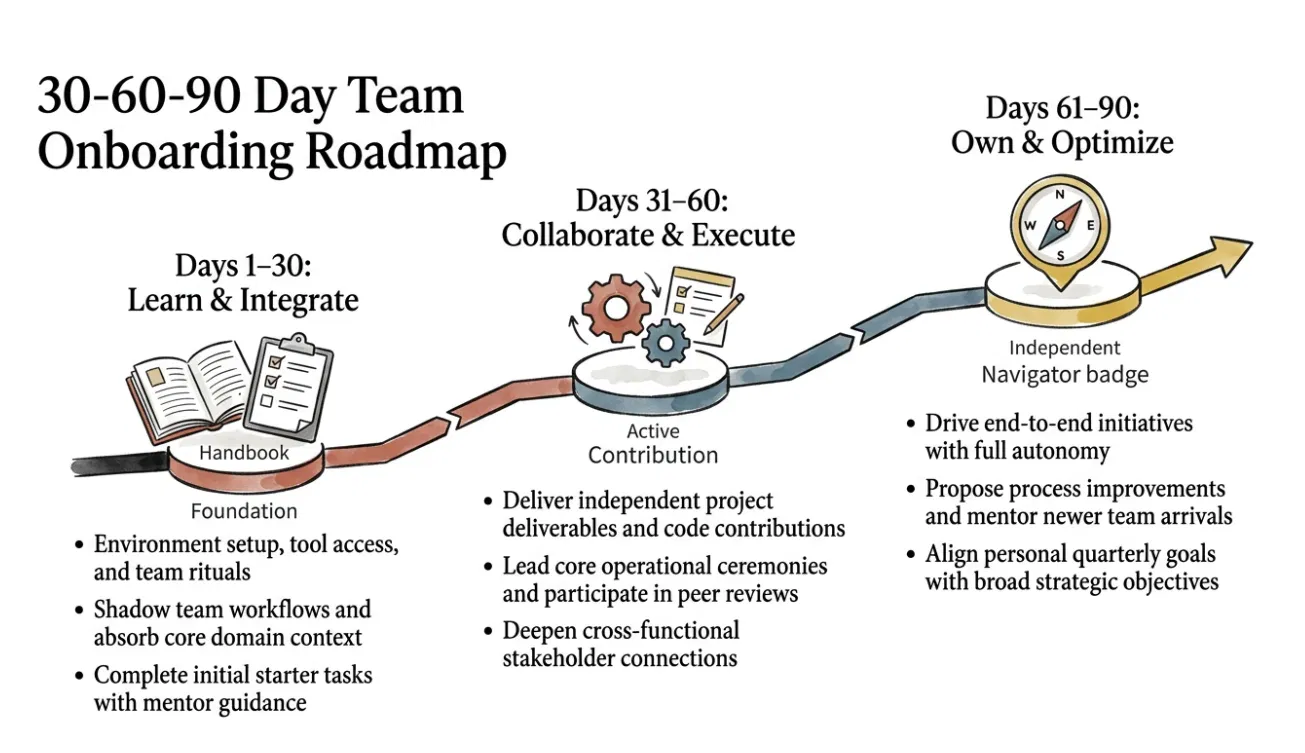
Welcome every new hire with the same careful onboarding.
Founders
Send each investor a private update they can question.
Educators and trainers
Lessons that answer back, at each learner’s own pace.
Leaders
Explain a big change to every person, privately.
Works with the AI you already use.
Do the research in ChatGPT, Claude, Cursor, or your own agents. Send it to MyLens over MCP, and it becomes a presentation each person gets one on one.
From one person to a thousand. Each one gets their own personalized presentation, privately.
BUILT ON TRUST
It only says what you'd say.
Your sources only
Every answer comes from the files you added.
Honest when unsure
If the answer isn’t there, it says so and flags it for you.
Every session is private
One person, one code, one conversation.
A note on your data
What you bring stays yours.
- Never used to train AI models.
- Private by default. Only your workspace can open your files.
- Delete it whenever you want, and it's gone.
— The MyLens team
FAQ
The questions presenters ask first. Tap one, and MyLens answers.
What is MyLens?
Do I need to make slides first?
What does each person in my audience get?
Will the AI say things I wouldn't?
How do I invite people, and do they need an account?
What do I see after each session?
Can I connect it to the AI I already use?
How much does it cost?
Is my data safe?
FROM 1 PEOPLE TO Scale.
Let every person feel presented to.
Set it up once. Your AI presenter gives each person their own private, live presentation, however many people you have.
Your first presentation is ready in minutes.